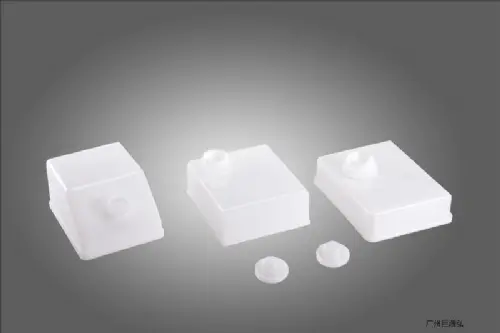
Daily household plastic products
Plastic components are indispensable items in our daily lives, ranging from small items like plastic cups and lunch boxes to larger ones such as plastic basins, storage boxes, and bathroom accessories. The production process of these items revolves around three core aspects: “material compatibility, molding processing, and quality control”. The process is standardized and tailored to meet mass production requirements, while also considering practicality, safety, and cost-effectiveness. Here, starting from the core steps, we will provide a detailed introduction to the entire production process of daily plastic components, allowing everyone to clearly understand the birth process of the plastic products around them.
1. Core production prerequisite: Material selection and preparation
For the production of daily plastic components, the first step is to select the appropriate plastic materials based on the product’s purpose. Priority is given to ensuring safety (especially for food-contact products) and performance. Commonly used materials are mainly general plastics, with a small amount of additives to enhance product quality.
II. Core Production Process: Choose as needed, adapt to different products
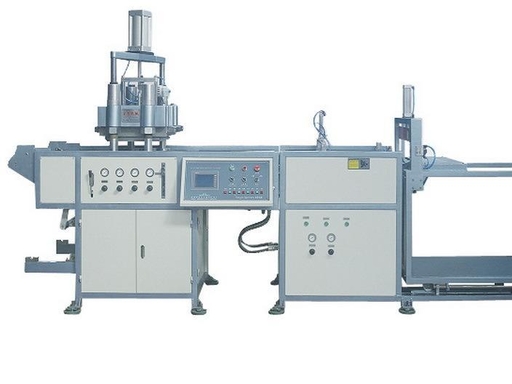
The molding process for daily plastic parts is mainly determined based on the shape, purpose, and batch requirements of the product. Among them, injection molding, blow molding, and thermoforming are the three most commonly used methods, covering the vast majority of daily plastic products.
III. Complete Production Process: The Entire Chain from Raw Materials to Finished Products
Taking the most commonly used injection-molded daily plastic parts (such as plastic basins, lunch boxes) as an example, the complete production process consists of 6 steps. Each step directly affects the product quality and ensures that the plastic parts produced meet the daily usage requirements.